Push Present Statistics: The Numbers, With Sources
How common push presents are, what people get, what they cost and what people think of them: our own study of 2,945 parents plus every outside figure we could trace to its source.
The numbers on push presents, each with where it comes from and how it was measured. Figures marked (our study) come from our push present study: 3,703 public posts from 28 threads on Reddit, Mumsnet and DC Urban Mom, December 2017 to September 2026, hand-coded so each person counts once (2,945 people). It's a self-selected sample of public posts, not a survey. The outside figures are linked to their source, and we left out any number we couldn't trace (see the end of this page).
Key figures
- 38% of new mothers said they'd received a push present in a 2004 BabyCenter survey of more than 30,000 people; 55% of pregnant women wanted one (New York Times, 2007)
- 45% of nearly 8,000 respondents to a 2015 Today Parents survey weren't fans of push presents, 28% loved the idea and 26% didn't know what they were (Today, 2015)
- 64% of people asked whether they got a push present said yes (n = 477, our study)
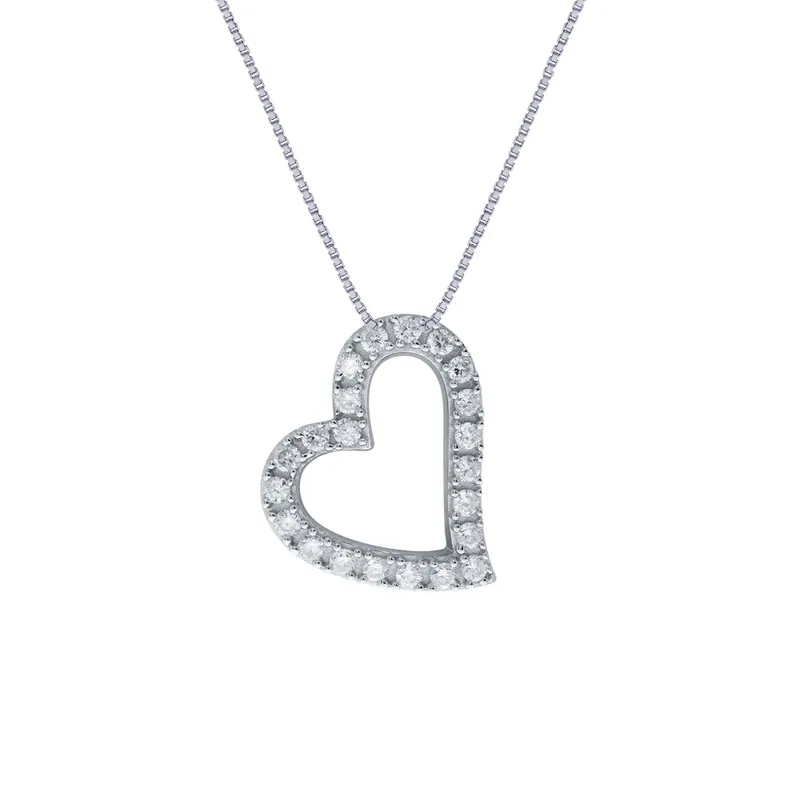
- 37% of push presents were jewelry, the most common type (n = 1,284, our study)
- 12% were food or drink, usually a meal right after the birth (n = 1,284, our study)
- 54% of recipients said their partner chose the gift; 25% asked for something specific; 12% bought their own (n = 656, our study)
- $200 was the median price among people who stated one (n = 31, our study)
- 96% of recipients who described their gift were pleased with it (n = 697, our study)
- 59% of people who gave a view were positive about the custom; 30% were against it (n = 1,580, our study)
How common are push presents?
| Figure | Who and when | Source |
|---|---|---|
| 38% of new mothers received one | BabyCenter survey, 30,000+ respondents, 2004 | New York Times, Dec 2007, via Mother Jones |
| 55% of pregnant women wanted one | Same survey | Same |
| About 40% of both groups said the baby was reward enough | Same survey | Mother Jones, Dec 2007 |
| 35% received one, 3% expect one soon, 62% did not | Motherly reader poll, sample size not stated; page updated Nov 2024 | Motherly |
| 64% received one | Our study: people in "did you get one?" threads, n = 477 | Study |
| 67% on Reddit, 77% on DC Urban Mom, 52% on Mumsnet | Our study, same threads (n = 335, 34, 108) | Study |
| 33% of people who got nothing said the baby was the present | Our study, n = 378 | Study |
Our 64% is far higher than the surveys' 35–38%. The gap is expected: people who got a push present are more likely to post in a thread about them, and the custom has spread since 2004. The surveys are the better guide to how common push presents are overall. Our study is better for what people get and how they feel about it.
What people get
From our study, among 1,284 people who said what they received:
| Main gift | Share |
|---|---|
| Jewelry | 37% |
| Food or drink | 12% |
| Tech | 8% |
| Self-care (spa, massage, skincare, loungewear) | 6% |
| Home or kitchen | 6% |
| Car | 4% |
| Designer bag | 3% |
| Flowers or plants | 2.5% |
| Experience or trip | 2% |
| Watch | 2% |
| Everything else | 17% |
- Jewelry was the main or second gift for 40% of recipients.
- Among 1,826 gifts received or planned, the most mentioned words were ring (293), necklace (181), birthstone (146), diamond (110) and car (97).
- Tiffany (19 mentions) and Cartier (18) were the most-named jewelry brands, but rare: about 1% of gifts each.
What they cost
| Figure | Who | Source |
|---|---|---|
| Median $200; middle half $65–$1,000 | Our study, recipients who stated a price in dollars, n = 31 | Study |
| 61% under $500; 13% over $2,000 | Same | Same |
Thirty-one prices is a small sample, so treat these as indicative. We found no survey of push present spending with a published method. For what each budget buys at major jewelers, see how much to spend on a push present.
Who chooses, and how it lands
| Figure | n | Source |
|---|---|---|
| Partner chose or surprised her: 54% | 656 | Our study |
| She asked or picked it out: 25% | 656 | Our study |
| She bought it herself: 12% | 656 | Our study |
| Chosen together: 9% | 656 | Our study |
| Recipients pleased with their gift: 96% | 697 | Our study |
| People who got nothing and said they were hurt: 72% | 58 | Our study |
What people think of push presents
| Figure | Who and when | Source |
|---|---|---|
| 45% not fans, 28% loved the idea, 26% didn't know the term | Today Parents survey, nearly 8,000 respondents, 2015 | Today, Jul 2015 |
| 59% positive, 11% neutral, 30% against | Our study, people who gave a view, n = 1,580 | Study |
| 71% positive in gift threads; 41% positive and 46% against in argument threads | Our study, n = 968 and 612 | Study |
| 42% against on Mumsnet (UK) vs 26% on US sites | Our study, n = 343 and 1,237 | Study |
| 13% of UK posters objected to the name "push present" vs 3% of US posters | Our study, n = 545 and 2,400 | Study |
| 18% of mothers and 22% of partners against the custom | Our study, n = 1,030 and 112 | Study |
Note the difference in method. Today asked its readers directly. We coded people who chose to post, which over-represents strong views, especially in argument threads.
History of the term
- 1811: Napoleon gives Marie Louise a diamond necklace to mark the birth of their son, now in the Smithsonian's gem collection. The custom is older than the name.
- 2003: The earliest dated news coverage of "push presents" cited on Wikipedia is a Fox News article from October 2003. That's the earliest on record there, not proof of first use.
- 2007: The New York Times runs "A Bundle of Joy Isn't Enough?", bringing the term to a wide audience.
Figures we couldn't verify
These numbers circulate widely but we couldn't trace them to a published source with a method, so they aren't used above:
- "34% received a push present and 38% wished they had" (attributed to a survey by The Bump)
- "74% of expecting mothers think all new mothers should get a push present" (attributed to a 2024 survey of 1,000 mothers by a jewelry brand)
- Single "average push present cost" figures quoted without a survey behind them
If you know the original source for any of these, tell us through our contact page and we'll check it.
Using these figures
Our study's data is free to use with credit: Push Present Ideas, How Common Are Push Presents? What 2,945 Parents Said (November 2026), https://pushpresentideas.com/how-common-are-push-presents. The method is on the study page.